In an age where our digital footprints are becoming increasingly significant, the concept of anonymity on the internet has gained paramount importance. Whether you’re concerned about online privacy, data breaches, or simply wish to exercise your right to remain anonymous, this guide will take you through the essential steps to achieve anonymity on the internet.
Understanding Anonymity on the Internet
Anonymity on the internet refers to the ability to conceal your identity and online activities from prying eyes, whether they be advertisers, hackers, or government entities. Achieving true anonymity involves a combination of tools, techniques, and mindful online behavior. Let’s dive into the key steps:
**1. Using a Virtual Private Network (VPN)
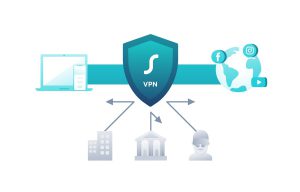
One of the most effective ways to establish anonymity on the internet is by using a Virtual Private Network (VPN). A VPN creates a secure, encrypted tunnel between your device and a server located in a different location. This not only hides your IP address but also encrypts your internet connection, making it difficult for anyone to monitor your online activities.
When selecting a VPN, opt for one with a strict no-logs policy and strong encryption protocols. Also, consider the server locations available to ensure a wider range of choices for masking your true location.
**2. Internet Browsers:
there are several internet browsers that offer built-in VPN (Virtual Private Network) features, allowing you to browse the internet with an added layer of privacy and security. Here are a few browsers that include built-in VPN functionality:
- Opera Browser: Opera is one of the most well-known browsers with a built-in VPN feature. The browser’s integrated VPN allows you to browse the web anonymously and access geo-restricted content. However, it’s important to note that Opera’s VPN may not be as secure as standalone VPN services, and its usage might be subject to certain limitations.
- Mozilla Firefox: While Firefox itself doesn’t have a built-in VPN, it offers a feature called “Firefox Private Network” (previously known as Firefox VPN) as a browser extension. This extension provides a secure and encrypted connection while browsing, protecting your data from prying eyes.
- Brave Browser: Brave is a privacy-focused browser that doesn’t have a traditional VPN, but it offers a feature called “Brave Private Tabs with Tor.” This feature integrates the Tor network into the browser, allowing you to browse the internet with enhanced privacy and security.
- UR Browser: UR Browser is another browser that offers a built-in VPN feature. This browser emphasizes privacy and security, and its integrated VPN aims to protect your data while you browse.
- Epic Browser: Epic Browser is designed with privacy in mind and comes with a built-in encrypted proxy. While not exactly a traditional VPN, this proxy feature aims to protect your online activities from being tracked by advertisers and other third parties.
It’s important to understand that while these built-in VPN features can offer some level of privacy and security, they may not provide the same comprehensive protection and features as dedicated VPN services. Dedicated VPN services often offer a wider selection of servers, stronger encryption, better security protocols, and more advanced features.
If privacy and security are your primary concerns, you might still want to consider using a standalone VPN service alongside your chosen browser. This way, you can ensure that your online activities are safeguarded to the fullest extent possible.
**3. Secure and Private Browsing
In your quest for online anonymity, it’s crucial to adopt secure browsing practices. This includes regularly clearing your browsing history, cookies, and cache. Additionally, consider using a privacy-focused search engine like DuckDuckGo, which doesn’t track your searches.
Installing browser extensions like HTTPS Everywhere can further enhance your online security by ensuring that your connections to websites are encrypted whenever possible.
**4. Anonymous Email Services
Your email can be a significant source of personal information. To maintain anonymity, opt for email services that prioritize privacy and security, such as ProtonMail or Tutanota. These services offer end-to-end encryption and don’t require personal information for signup.
**5. Use Encrypted Messaging Apps
Traditional text messaging is not always secure. Instead, use encrypted messaging apps like Signal or Telegram for your communications. These apps employ strong encryption techniques to protect your messages from interception.
**6. Protecting Your Social Media Presence
Social media platforms are notorious for collecting and sharing user data. To maintain anonymity, consider using a pseudonym, avoid sharing personal details, and adjust your privacy settings to limit the information visible to others. Be cautious about the information you share and with whom you connect.
**7. Utilize Public Wi-Fi Safely
Public Wi-Fi networks can be a hotspot for hackers. If you’re connecting to a public Wi-Fi, consider using a VPN to encrypt your connection. Avoid accessing sensitive information or logging into accounts when connected to public networks.
**8. Cryptocurrencies for Online Transactions
If you’re concerned about the privacy of your online transactions, consider using cryptocurrencies like Bitcoin. While not entirely anonymous, cryptocurrencies can add an extra layer of privacy to your financial activities.
**9. Operate Behind a Firewall
A firewall acts as a barrier between your device and potential threats from the internet. Configuring a firewall can help prevent unauthorized access to your device and protect your personal information.
**10. Stay Informed and Update Regularly
Lastly, stay informed about the latest privacy threats and security measures. Regularly update your operating system, apps, and security software to ensure you’re protected against the latest vulnerabilities.
Final Thoughts
Anonymity on the internet is a multifaceted endeavor that involves a combination of tools, techniques, and responsible online behavior. While complete anonymity is challenging to achieve, implementing the steps outlined in this guide will significantly enhance your online privacy and security. Remember that the internet landscape is constantly evolving, so staying informed and adapting your practices is key to maintaining your anonymity in the digital age.