In today’s digitally interconnected world, maintaining privacy online has become increasingly crucial. With cyber threats lurking at every corner of the internet, ensuring safe and secure browsing is a top priority for many users. This concern has given rise to a solution that not only bolsters privacy but also enhances internet security—Virtual Private Networks, or VPNs. If you seek a tool to shield your online identity, then understanding VPN security benefits is essential. But what exactly makes VPNs a vital asset for secure internet access, and how do they function to protect user data? Let’s dive deeper into the myriad benefits offered by VPNs.
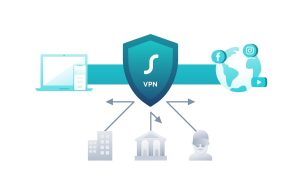
The shift towards digital transformation has opened doors to endless possibilities. However, it also paved the way for cybercriminals seeking to exploit unsuspecting internet users. Whether you’re checking your bank details at a cozy café or streaming your favorite show at home, your private information could be at risk. VPNs come into play as crucial allies in safeguarding your data from prying eyes. In essence, they create a secure tunnel for your internet traffic by encrypting your data, thereby preventing unauthorized access. Consequently, this encryption ensures that your sensitive information remains confidential and secure.
Moreover, VPNs provide users with the benefit of anonymity. By masking your real IP address and replacing it with one from the VPN server, these networks effectively cloak your digital footprint. This disguise not only protects your identity but also allows you to bypass geographical restrictions and enjoy unrestricted access to content from around the globe. Transitioning between different regions is seamless, making VPNs invaluable for expats and travelers who need to access services from their home countries.
In addition to privacy, VPNs are instrumental in combatting online censorship. Many countries impose strict regulations on internet usage, blocking access to certain websites and services. VPNs empower users to navigate these restrictions effortlessly, promoting the free flow of information. By connecting to servers located in regions without such limitations, users can experience the internet without barriers, fostering a more open and inclusive digital environment.
As technology evolves, so do the tactics of cyber adversaries. Herein lies another significant advantage of VPNs—their ability to adapt. VPN providers regularly update their systems to tackle emerging threats, ensuring a holistic security shield around your internet activities. In this ever-changing cyberspace landscape, staying one step ahead is imperative; VPNs equip users with the tools needed to do just that.
In conclusion, the security benefits of VPNs extend beyond mere data protection. They offer a comprehensive approach to online safety that encompasses privacy, anonymity, geographical freedom, and the circumvention of censorship. For those prioritizing a safe and unrestricted internet experience, VPNs are not just an option but a necessity. As more individuals recognize the vital role VPNs play, integrating this technology becomes an integral part of modern digital life.
The Benefits of VPNs for Safe and Secure Internet Access
In today’s digital age, internet security is more important than ever. As we navigate through various online platforms, the threats of data breaches, privacy invasions, and cyber-attacks are ever-present. Virtual Private Networks (VPNs) have emerged as essential tools for enhancing VPN security benefits, ensuring safe internet access, and offering secure online browsing experiences. This article delves into the myriad benefits of using VPNs to safeguard internet activities and maintain personal privacy.
Understanding VPNs and How They Work
A VPN, or Virtual Private Network, is a service that encrypts your internet connection, making it more secure by creating a private tunnel through public networks. This encryption process transforms your digital communications into unreadable codes, thus protecting data from prying eyes. Many individuals and businesses use VPNs to ensure safe internet access by safeguarding data from hackers, ISPs, and other threats.
How VPNs Enhance Security and Privacy
To comprehend the VPN security benefits, it’s crucial to understand how VPNs operate. Once a user connects to a VPN, their data is transmitted through an encrypted tunnel to a server operated by the VPN service provider. This effectively cloaks the user’s IP address, making their online activities anonymous. Thanks to this process, VPNs offer robust VPN privacy protection by masking the user’s identity. Furthermore, VPNs provide secure online browsing by preventing ISPs from logging users’ browsing histories, thus maintaining their confidentiality. Notably, some VPN services employ advanced security protocols, such as OpenVPN and L2TP/IPsec, to bolster protection further against sophisticated cyber threats.
Transitioning to the concept of data protection, VPNs are often compared to other internet safety tools like firewalls and antivirus software. While firewalls can block unauthorized access and antivirus software can remove malware, VPNs specifically excel at anonymizing online activities and protecting data in transit. For users concerned with preventing data theft, VPNs offer unparalleled peace of mind.
VPN Security Benefits for Different User Groups
Individuals and organizations alike can leverage the benefits of VPNs in distinct ways, enhancing safe internet access and improving digital security.
Individuals and Personal Use
For individual users, VPNs provide a host of benefits. Primarily, they enable secure online browsing while using public Wi-Fi. Public networks in cafes, airports, and hotels, although convenient, pose significant security risks. A VPN encrypts a user’s connection, thus mitigating these risks and enabling safe internet access. Additionally, individuals concerned about government surveillance can utilize VPNs to keep their online activities private, especially in regions with stringent internet censorship.
Moreover, VPNs are instrumental for frequent travelers. They allow users to access their favorite streaming services and websites, even from countries where such content might be restricted. This function not only enhances VPN privacy protection by allowing users to appear as though they are browsing from their home country, but it also ensures uninterrupted access to familiar online resources.
Businesses and Corporate Use
Corporations of all sizes rely on VPNs as critical internet safety tools to protect sensitive data. When employees access corporate networks remotely, VPNs ensure that all communications and transactions occur over a secured channel. Thus, businesses can safeguard proprietary information, such as customer data or financial records, from potential eavesdroppers.
Additionally, VPNs play a crucial role in maintaining the confidentiality of business communications. Whether it’s a video conference or an email exchange, a VPN can encrypt all transmitted data and ensure secure online browsing for employees working remotely. As companies increasingly adopt flexible work arrangements, the use of VPNs becomes indispensable for maintaining security compliance and protecting valuable company assets.
VPN Privacy Protection and Anonymity
Among the primary VPN security benefits is their ability to offer enhanced privacy protection and user anonymity. Internet Service Providers (ISPs) often log and monitor user activities, but VPNs negate this by encrypting traffic. This encryption is particularly vital in countries with restricted internet freedom, where users may fear being monitored or censored.
Protecting Personal Identifiable Information
Online data can be surprisingly vulnerable, and personal identifiable information (PII) can be collected by cybercriminals for malicious intent. VPNs add a layer of security by masking IP addresses, which helps shield users’ PII. This benefit is crucial for users performing activities like online banking, where financial information must be protected.
Moreover, VPNs facilitate safe internet access even on unsecured networks. By encrypting all outgoing and incoming traffic, a VPN ensures that sensitive data such as credit card details, personal emails, and login credentials remain confidential, thereby preventing data breaches.
Unblocking Geographical Restrictions and Accessing Content
In the digital world, not all content is universally accessible due to geographical restrictions. Many websites and streaming platforms limit access to their content based on a user’s geographic location. VPNs provide a solution by allowing users to bypass these restrictions. By connecting to a server in a different region, a VPN can make it appear as though a user is accessing the internet from that location, thus enabling access to otherwise restricted content.
Bypassing Internet Censorship
In some countries, governments enforce strict internet censorship, blocking access to certain websites and social media platforms. VPNs serve as vital internet safety tools in these environments. By redirecting internet traffic through servers in more permissive regions, VPNs allow users to circumvent these barriers and access a free and open internet. This ability not only promotes freedom of information but also supports secure online browsing for those residing in suppressive regimes.
Additionally, VPNs contribute significantly to preserving net neutrality by preventing ISPs from throttling bandwidth based on user activity. By hiding the specifics of what users do online, VPNs help maintain equal access to all internet services, ensuring that web traffic is treated equally regardless of the source.
Enhancing Internet Security in Varied Environments
Different internet environments present unique challenges and vulnerabilities. VPNs offer versatile VPN security benefits to tackle these distinct scenarios, thus enhancing internet safety.
Public Wi-Fi Security
Public Wi-Fi hotspots offer convenience but lack robust security measures, making them fertile grounds for potential cyber threats. Hackers can easily intercept communications over these networks. However, with a VPN, users can encrypt their data, ensuring safe internet access even when connected to such insecure networks. This encryption prevents unauthorized access to sensitive information, offering peace of mind to users who frequent public spaces.
Remote Work and Cloud-Based Services
In an era where remote work is burgeoning, the need for secure online browsing has intensified. Employees working from home often access company resources via cloud-based services. VPNs become essential in this scenario, ensuring that even remote access is conducted over a secured network. By encrypting data being transmitted to and from cloud services, VPNs protect against data leakage and unauthorized access, safeguarding corporate interests.
Moreover, companies deploying VPNs can enforce specific security policies, ensuring employees adhere to standardized security protocols. This maintains consistent security governance, reinforcing the safe access of business-critical data.
Choosing the Right VPN for Maximum Security
Selecting an appropriate VPN service is as critical as the protection it provides. Not all VPNs offer the same level of security, privacy, or functionality. To maximize the VPN security benefits, users should consider specific criteria when evaluating options.
Factors to Consider
- Encryption Protocols: A VPN’s level of encryption is paramount. Users should opt for services using high-standard encryption protocols like OpenVPN or AES-256, which are widely regarded as secure.
- No-logs Policy: To ensure privacy protection, it’s vital to choose a VPN that adheres to a strict no-logs policy. This means the service does not record user activity, thus maintaining anonymity.
- Server Network: A large server network with multiple geographical locations ensures users can bypass regional restrictions effectively and find fast, reliable connections.
- Customer Support: Reliable customer support is essential, especially when users face technical difficulties or need assistance setting up their VPN.
- Device Compatibility: The chosen VPN should support all the user’s devices, including smartphones, tablets, and computers, to ensure comprehensive protection.
To summarize the ongoing discussion, VPNs offer indispensable benefits for anyone seeking to protect their online activities and data. As digital threats evolve, the role of VPNs as internet safety tools becomes increasingly important. For those prioritizing privacy, security, and unrestricted access to content, VPNs represent an essential component of a comprehensive internet security strategy.
Conclusion: Embracing the VPN Security Benefits
In today’s digitally-driven world, ensuring a safe and secure internet experience is paramount. VPN security benefits are extensive, offering a robust solution to protect online privacy and secure sensitive data. By encrypting internet traffic, a VPN establishes a secure tunnel between the user and the web, shielding data from cyber threats and intrusive monitoring. This encryption is particularly beneficial for individuals accessing public Wi-Fi networks, where risks of data interception are significantly higher.
The anonymity provided by VPNs also plays a crucial role in enhancing user privacy. By masking your IP address, a VPN allows you to browse without leaving a digital footprint, thus preventing advertisers and hackers from tracking your online activities. Furthermore, VPNs facilitate unrestricted internet access. With servers located globally, VPNs bypass regional censorship and geographic restrictions, enabling users to access content from anywhere in the world.
Additionally, VPNs serve as a protective shield against malicious entities attempting to exploit personal information. This aspect is increasingly important as cyber threats continue to rise. For businesses, VPNs provide a secure environment for remote workers, ensuring that sensitive company information remains protected and confidential.
Implementing a VPN is not only beneficial but necessary for anyone who values digital privacy and security. While there are numerous VPN providers available, selecting the right service depends on individual needs, such as bandwidth usage, desired locations, and specific security features. It is advisable to opt for a paid VPN service as opposed to free versions, which often lack comprehensive security protocols.
In conclusion, the VPN security benefits are undeniable. They offer an efficient and reliable means to safeguard personal information, maintain anonymity, and access global content without restrictions. As our reliance on digital platforms grows, so does the necessity for secure internet practices. Embracing VPN technology is a proactive step towards a safer and more secure digital experience. By doing so, individuals and businesses alike can navigate the complexities of the internet with confidence and peace of mind.