In today’s interconnected world, protecting your online identity is essential. With cyber threats and data breaches on the rise, staying anonymous online has never been more crucial. Protecting your anonymity can safeguard your personal data and ensure your privacy rights remain intact. This comprehensive guide will explore essential strategies for maintaining anonymity while offering valuable online privacy tips.
Understanding the Importance of Staying Anonymous Online
In an era where digital privacy protection is paramount, understanding why staying anonymous online matters is crucial. Every online interaction leaves a digital footprint, which can be tracked by advertisers, hackers, or even government agencies. Secure online identity practices can help you control your personal information and limit the exposure of sensitive data. Hence, implementing strategies for anonymous internet browsing can drastically enhance your online safety.
Implementing Encryption for Anonymous Internet Browsing
Encryption is a powerful tool for staying anonymous online. By encrypting your data, you ensure that only intended recipients can read your information. Utilizing Virtual Private Networks (VPNs) is a popular method for encrypting internet traffic, masking your IP address, and providing a secure tunnel between your device and online destinations. Additionally, using HTTPS ensures that any website you interact with encrypts the traffic, safeguarding your data from prying eyes.
The Role of VPNs in Digital Privacy Protection
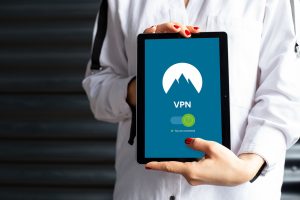
Virtual Private Networks (VPNs) are indispensable when you are aiming to stay anonymous online. VPNs not only protect your internet connection but also help in securing your online identity by making it appear as if you’re browsing from a different location. This prevents ISPs and others from tracking your online activities. When selecting a VPN, ensure you choose a reputable provider with a no-logs policy to maintain utmost confidentiality.
Advantages of Using VPNs for Staying Anonymous Online
- Enhanced Security: VPNs encrypt your data, making it difficult for hackers to intercept communications.
- Geo-Restrictions Bypass: Access region-locked content and media with ease.
- Protection on Public Wi-Fi: Avoid data breaches on unsecured networks while traveling.
Browser Extensions for Enhanced Online Privacy
To boost your efforts for staying anonymous online, you can use various browser extensions designed for privacy. These tools can block trackers, manage cookies, and even disguise your browsing activity. Popular extensions like Privacy Badger, uBlock Origin, and HTTPS Everywhere play vital roles in protecting you from online surveillance. However, always ensure that these extensions are updated to tackle the latest threats effectively.
Utilizing Anonymization Networks
Anonymization networks such as Tor are excellent resources for digital privacy protection. Tor reroutes your internet traffic through multiple servers, effectively masking your online footprint. It prevents websites from tracking your real IP address, thus promoting an environment of anonymous internet browsing. The only downside might be speed, as rerouting through multiple servers can cause delays. Nonetheless, the trade-off for enhanced anonymity is often worth it.
Practicing Safe Social Media Habits
Social media platforms are treasure troves of personal information. Therefore, adopting secure online identity practices is vital when using these platforms. Limit the amount of personal data you share and regularly review privacy settings. Consider using pseudonyms or anonymized accounts to further protect your identity. These small changes can significantly reduce the digital footprint we often unconsciously create on social media.
Improving Password Security for Staying Anonymous Online
A robust password strategy is fundamental for staying anonymous online. Use complex passwords, employ multi-factor authentication (MFA), and avoid using the same password across multiple platforms. Password managers can aid in generating and storing secure passwords, ensuring your accounts are guarded against unauthorized access. This not only safeguards your online identity but also secures any data associated with your accounts.
Steering Clear of Phishing Attacks
Phishing attacks are rampant and a major threat to maintaining online anonymity. These scams are designed to trick you into revealing sensitive information like login credentials. Always verify the source of any unexpected emails or messages before clicking on any links. Use email filters and stay informed about common phishing tactics to keep your information private. Staying cautious can save you from potential data breaches and identity theft.
Why Two-Factor Authentication Matters
Two-factor authentication (2FA) adds an extra layer of security to your digital accounts, making it harder for unauthorized users to gain access. By requiring a second form of verification, such as a text message code, you ensure that even if someone cracks your password, they cannot access your account. Thus, implementing 2FA is a practical step towards achieving comprehensive digital privacy protection.
Utilizing Secure Communication Channels
For staying anonymous online, choose secure communication channels for your messages and calls. Encrypted messaging apps like Signal or WhatsApp offer end-to-end encryption, ensuring only you and the recipient can read the messages. Additionally, avoid sharing sensitive information over unencrypted platforms, and frequently review app permissions to control what data is accessible to them.
Maintaining Anonymity on Mobile Devices
Your mobile device can be a gateway for breaches if not properly secured. Regularly update your device’s operating system and apps to patch security vulnerabilities. Use a VPN app on your mobile for anonymous internet browsing and enable location-sharing permissions only when necessary. These practices assist in maintaining both your anonymity and privacy on the go.
Deactivating Unused Accounts
Each online account you possess is a potential vulnerability. Abandoned accounts can still hold valuable data, making them attractive targets for hackers. Regularly assess your online accounts and deactivate those you no longer use. This simple step reduces the number of entry points for attackers, bolstering your efforts in digital privacy protection.
Why Regular Software Updates are Crucial
Keeping your software up-to-date is a crucial aspect of securing your online identity. Developers regularly release updates to fix security flaws and protect against new threats. Ignoring these updates can leave your system vulnerable and undermine efforts to stay anonymous online. Regular updates are an easy yet effective method to ensure a protected and anonymous presence on the internet.
In conclusion, staying anonymous online requires a combination of strategies and vigilance. From using VPNs and browser extensions to adopting careful social media practices, these steps collectively enhance your chances of remaining anonymous and preserving your digital privacy. Although it takes continuous effort, the protection of your online identity is well worth it. By following these online privacy tips, you can enjoy a safer and more private browsing experience.