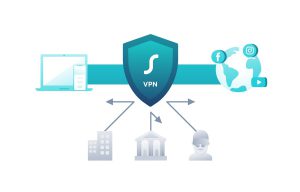
In an age where the internet plays an integral role in our daily lives, concerns about online privacy and security are more pertinent than ever. With an increasing number of cyber threats, data breaches, and surveillance activities, individuals are actively seeking ways to protect their online presence. One powerful tool in this endeavor is a Virtual Private Network (VPN). In this article, we will explore how a VPN can help you stay protected on the internet.
-
Encryption for Data Security:
One of the primary functions of a VPN is to encrypt your internet connection. When you connect to the internet through a VPN, your data is encrypted, making it significantly more challenging for hackers, government agencies, or other malicious entities to intercept and decipher your online activities. This encryption ensures that your sensitive information, such as login credentials and personal details, remains confidential.
-
Securing Public Wi-Fi Connections:
Public Wi-Fi networks, commonly found in coffee shops, airports, and hotels, are convenient but notoriously insecure. Without proper protection, your data is vulnerable to interception by cybercriminals. VPNs create a secure tunnel for your internet traffic, even on unsecured networks, preventing potential attackers from accessing your sensitive information. This is crucial for maintaining the security of your online accounts and activities while on the go.
-
Bypassing Geo-restrictions:
A VPN allows you to mask your IP address and connect to servers in different locations around the world. This functionality not only enhances your online anonymity but also enables you to bypass geo-restrictions imposed by certain websites or streaming services. By connecting to a server in a different region, you can access content that might be restricted or censored in your current location, ensuring a free and open internet experience.
-
Anonymous Browsing:
Privacy concerns have become a major issue in the digital age, with companies and advertisers eager to collect user data for targeted advertising. A VPN helps you maintain anonymity by masking your IP address, making it difficult for websites to track your online activities. This feature is particularly valuable for individuals who prioritize their privacy and wish to limit the collection of their personal information.
The internet, while a vast repository of information and connectivity, also harbors concerns about privacy and data security. As individuals become more conscious of their online presence, the concept of anonymous browsing has gained prominence. In this article, we will delve into the world of anonymous browsing, exploring its significance, benefits, and the tools that empower users to traverse the digital realm incognito.
-
Understanding Anonymous Browsing:
Anonymous browsing, also known as private browsing or incognito mode, refers to a set of technologies and practices aimed at concealing a user’s identity and online activities from prying eyes. The primary goal is to provide a level of privacy that traditional browsing methods might not afford.
-
Masking Your Digital Footprint:
When you engage in anonymous browsing, your browser takes measures to minimize the amount of data it stores and shares about your online activities. This includes preventing the retention of browsing history, cookies, and search queries. By doing so, users can navigate the internet without leaving a trail of personal information that could be exploited by advertisers, websites, or malicious entities.
-
Browsing Anonymously with VPNs:
While incognito mode is a basic form of anonymous browsing, more advanced users often turn to Virtual Private Networks (VPNs) for enhanced privacy. VPNs mask your IP address, making it difficult for websites and online services to trace your location and identity. This not only adds a layer of security but also allows users to access content that may be restricted in their geographical region.
-
Tor Browser and Onion Routing:
For those seeking a higher level of anonymity, the Tor (The Onion Router) network provides a decentralized and highly secure platform. The Tor Browser routes internet traffic through a series of volunteer-operated servers, encrypting the data at each step. This makes it exceptionally challenging for anyone, including governments or hackers, to trace the origin and destination of the data.
-
Privacy Concerns and the Need for Anonymity:
As concerns about online privacy and surveillance grow, anonymous browsing becomes a crucial tool for individuals who wish to retain control over their personal information. From avoiding targeted advertising to preventing data breaches, the motivation for anonymous browsing varies but ultimately revolves around the desire for a more private and secure online experience.
-
Balancing Convenience and Anonymity:
While anonymous browsing provides a commendable level of privacy, users must strike a balance between security and convenience. Some websites may not function optimally when cookies are disabled, and certain features might be unavailable in incognito mode. It’s essential to weigh the benefits of anonymous browsing against the potential inconveniences to find a balance that suits individual preferences.
- Protection from Cyber Threats:
VPNs act as a shield against various online threats, including malware, phishing attacks, and malicious websites. By filtering your internet traffic through a VPN server, you reduce the risk of encountering harmful content. Some VPN services even offer additional features such as ad-blocking and malware protection, further enhancing your online security.
Summary:
In a world where online threats are prevalent, utilizing a VPN is a proactive step towards safeguarding your digital presence. Whether you’re concerned about data privacy, want to access geo-restricted content, or simply wish to browse the internet securely on public Wi-Fi, a VPN provides a versatile and effective solution. By encrypting your connection, masking your IP address, and offering additional security features, VPNs play a crucial role in ensuring that your online experience remains safe and protected.