In today’s digital age, where every click, swipe, and data exchange leaves a footprint, the importance of online privacy cannot be overstated. As cyber threats become increasingly sophisticated, taking measures to protect your digital presence is no longer optional—it’s essential. This is where understanding the VPN security benefits becomes crucial for anyone who values their privacy and security online.
Virtual Private Networks, or VPNs, have emerged as a powerful tool in the fight against cybercrime, offering users a way to mask their digital footprint and shield their personal information from prying eyes. By creating a private network from a public internet connection, VPNs encrypt your data, thereby significantly enhancing your online security. Moreover, this encryption serves as a protective barrier against hackers, identity thieves, and even unscrupulous internet service providers. Therefore, if safeguarding your online activity is a priority, considering a VPN is an indispensable step.
Interestingly, the use of VPNs is not limited to thwarting cybercriminals. They also provide a broader range of advantages that make them an attractive option for various users—from business professionals to the everyday internet surfer. For instance, VPNs allow unrestricted access to content by bypassing geo-restrictions on streaming platforms. This is particularly beneficial for those who frequently travel or reside in countries with strict internet censorship.
Additionally, VPNs offer the benefit of anonymous browsing. In an era where targeted advertising is based on your online patterns, having control over who sees your browsing history is empowering. Businesses, for instance, utilize VPNs to secure sensitive data and maintain confidentiality, ensuring that their proprietary information remains protected even when accessed remotely.
For many, the primary hesitation in using a VPN stems from a perception of complexity. However, thanks to technological advancements, modern VPN services are user-friendly, with intuitive interfaces that make them accessible even to those with limited tech expertise. Affordable pricing and a variety of service plans further lower barriers to entry, making VPNs a practical security investment for individuals and businesses alike.
In conclusion, the extensive VPN security benefits underscore the necessity of adopting this tool to bolster online defenses. As threats to digital privacy loom larger than ever, implementing a VPN can effectively safeguard your personal data, foster secure communications, and provide peace of mind while navigating the online world. This article will delve deeper into specific reasons and scenarios where a VPN proves indispensable, helping you make an informed decision about integrating this vital security measure into your digital routine.
Key Reasons to Consider Using a VPN for Enhanced Security
In an increasingly digital world, maintaining online security has become a priority for both personal and professional internet users. The plethora of cyber threats and the increasing concerns about privacy have driven many to explore effective tools for safeguarding their data. Among these tools, VPNs (Virtual Private Networks) stand out as one of the most robust options. By examining key reasons to consider using a VPN for enhanced security, we can fully appreciate their importance in today’s digital landscape.
Understanding VPNs: A Brief Overview
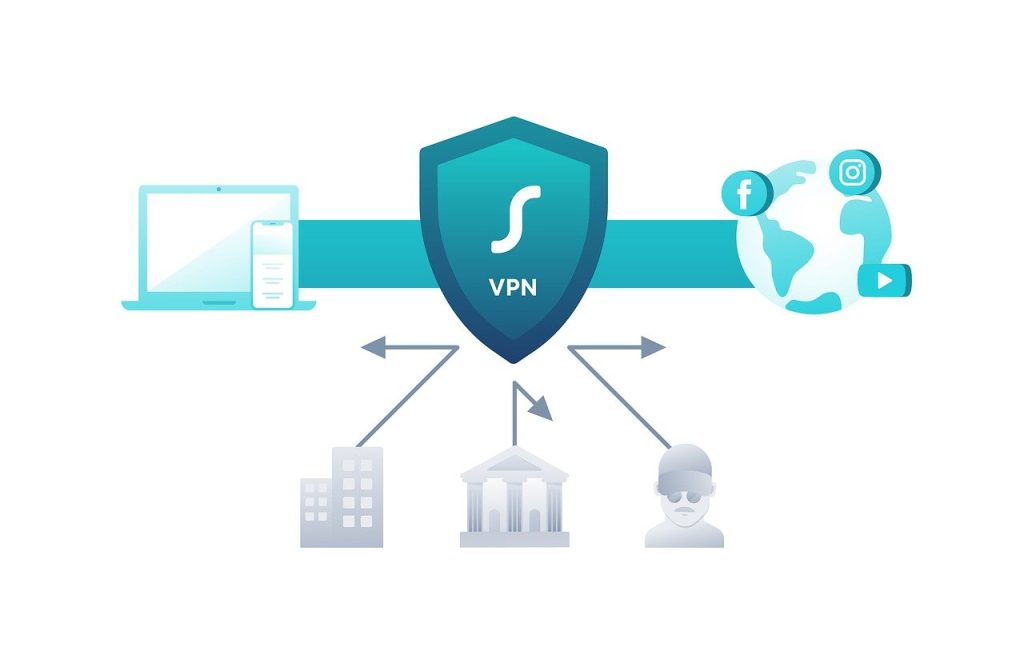
A Virtual Private Network, or VPN, is a technology that creates a secure, encrypted connection over a less secure network, such as the internet. By routing your internet connection through a remote server, a VPN ensures that your data remains private and hidden from prying eyes. This layer of protection is crucial, given the ever-present threats of data breaches and identity theft.
1. Enhanced Online Privacy: Keeping Your Data Safe
One of the primary VPN security benefits is enhanced online privacy. When you connect to a VPN, your IP address is hidden, making it significantly harder for websites and advertisers to track your online activities. This feature is particularly beneficial in an age where targeted advertising and data collection are rampant. Moreover, a VPN encrypts your internet traffic, shielding your data from hackers and government surveillance.
For example, if you regularly use public Wi-Fi networks in cafes or airports, a VPN can protect your personal information from potential eavesdroppers. Since these networks are usually unsecured, cybercriminals can easily intercept unencrypted data. By encrypting your connection, VPNs provide a layer of security that ensures peace of mind.
2. VPN Protection Advantages in Bypassing Geo-Restrictions
Another vital advantage of using a VPN is bypassing geo-restrictions on internet content. Streaming services, websites, and online platforms often limit access based on geographic location. This can be frustrating for users who wish to access content available only in certain regions. A VPN allows you to connect to servers worldwide, effectively masking your location and granting access to restricted content.
Consider an individual who wants to watch a movie available solely on a streaming service in another country. By connecting to a VPN server in that country, they can easily access the service as though they were physically present there. This ability to circumvent regional restrictions highlights the significant VPN protection advantages for frequent travelers and expatriates seeking a taste of home through their favorite shows and websites.
3. Internet Safety with VPN: Preventing Data Theft
Data theft is a prevalent threat with severe personal and financial repercussions. Such cybercrimes can occur when sensitive data is transmitted over an insecure connection or stored on vulnerable online platforms. VPNs play a crucial role in preventing data theft by encrypting all data transfers between your device and the internet. This encryption not only keeps hackers at bay but also minimizes vulnerabilities associated with unsecured connections.
For example, when performing online banking or shopping, using a VPN ensures that your financial details, including credit card information and login credentials, are encrypted and safeguarded from potential hackers. This level of internet safety with VPN is essential for anyone regularly engaging in online transactions or accessing sensitive information over the internet.
4. Secure Browsing with VPN: Protecting Against Malware and Phishing Attacks
VPNs also offer protection against malware and phishing attacks, adding an additional layer of security to your online activities. While a VPN itself doesn’t directly block malware, many VPNs come with integrated features and technologies that strengthen your defense against various online threats.
Some VPN services offer built-in ad and malware blockers, preventing malicious ads and phishing sites from compromising your device. By blocking these elements before they reach you, a VPN helps maintain a secure browsing experience, ensuring that your device remains safeguarded against inadvertent infections.
Phishing attacks, which trick users into providing sensitive information by pretending to be a trusted entity, are another growing threat. By masking your identity and IP address, VPNs make it more difficult for attackers to target you based on your online behavior, thereby providing an extra shield against such deceptions.
5. Protecting Multiple Devices: Multi-Platform VPN Applications
As the number of connected devices in homes and workplaces grows, protecting all these devices presents a significant challenge. Many VPN providers offer applications compatible with a wide range of devices and operating systems, including smartphones, tablets, laptops, and routers. This multi-platform approach ensures consistent and comprehensive protection across all devices connected to the internet.
When configuring a VPN on a router, all devices connected to the network benefit from the VPN’s secure browsing with VPN benefits. Thus, whether you are using a smartphone on the go or a desktop at home, the same level of encryption and privacy is maintained across all your gadgets.
6. Ensuring Anonymity: The Core of VPN Security Benefits
Beyond safeguarding data, one of the hallmark VPN security benefits is ensuring anonymity. VPNs achieve this by obscuring your digital footprint, making it exceedingly difficult for third parties to trace your online activities back to you. Anonymous internet browsing is crucial for individuals concerned about privacy and freedom, particularly in regions with restrictive internet policies.
Take, for example, investigative journalists or political activists working in countries with stringent censorship. They rely on VPNs to ensure that their online activities remain confidential, safeguarding them from possible repercussions. By maintaining anonymity, VPNs empower users to express themselves online without the fear of surveillance or censorship.
7. Improving Online Experiences: Faster and More Secure Connections
While the primary focus of VPNs is security and privacy, they can also enhance your overall online experience. Some internet service providers (ISPs) throttle bandwidth usage during peak times, slowing down your connection. VPNs can counteract this by hiding your internet usage from your ISP, thereby reducing throttling and potentially improving connection speeds during heavy internet use.
Moreover, by choosing a server closer to your location, you can minimize latency and enjoy a smoother browsing experience. This is particularly beneficial for activities that require significant bandwidth, such as gaming or video conferencing. By using a VPN, you not only protect your data but also experience enhanced internet performance.
8. Business Benefits: Secure Remote Access for Employees
In the business realm, VPNs are essential for ensuring secure remote access. As more employees work remotely, businesses must protect sensitive corporate data from potential cyber threats. VPNs enable employees to securely access company networks from anywhere in the world, ensuring consistent security protocols regardless of location.
For instance, a company utilizing remote work policies can implement a VPN to allow employees to access internal networks securely. This level of security becomes particularly crucial when employees handle sensitive customer information or proprietary company data. By safeguarding remote connections, VPNs protect businesses from data breaches and maintain the integrity of their operations.
9. Cost-Effective Security: An Affordable Solution
In the world of cybersecurity, implementing robust protection often comes with a hefty price tag. Fortunately, VPNs offer a cost-effective solution for individuals and businesses seeking enhanced online security. With a wide range of pricing plans available, users can choose a subscription that fits their budget while still enjoying comprehensive security benefits.
When compared to other security measures, such as dedicated network security systems or private internet connections, VPNs provide high-quality protection without the associated high costs. This affordability makes VPNs an attractive choice for anyone looking to bolster their online security without breaking the bank.
For both personal users and businesses, VPNs represent a valuable tool in maintaining security and privacy in an increasingly interconnected world. With the myriad VPN protection advantages outlined here, it becomes clear why VPNs are gaining traction as an essential part of digital life. As cyber threats continue to evolve, equipping oneself with a VPN becomes a proactive step towards ensuring digital security and privacy.
Conclusion
In today’s digitally interconnected world, the importance of safeguarding your online presence cannot be overstated. As we have explored, the VPN security benefits are substantial, making it an indispensable tool for anyone serious about online privacy and protection. By encrypting your internet connection, a VPN effectively shields your sensitive data from potential cyber threats and prying eyes. This layer of security is crucial in an age where personal information breaches are alarmingly common.
Furthermore, a Virtual Private Network enhances privacy by allowing you to browse the web anonymously. With your IP address masked, tracking your online activities becomes significantly more challenging for advertisers and hackers alike. Additionally, this identity protection helps in maintaining a sense of confidentiality as you navigate the internet.
Moreover, VPNs are not just about security but also offer the benefit of unrestricted access. With geolocation restrictions becoming more prevalent, a VPN allows you to overcome these barriers, granting access to global content seamlessly. From streaming services to secure remote work, the advantages of a VPN extend beyond mere encryption.
Performance has often been a concern when discussing VPNs, but technological advancements have minimized these issues. Nowadays, choosing a reputable provider ensures high-speed connections without compromising security. This improvement makes it feasible to incorporate a VPN into your daily digital activities without noticeably hindering your internet experience.
In light of these VPN security benefits, it’s clear that deploying a VPN is not merely an option but a necessity for many internet users. Whether you’re concerned about data breaches, privacy invasion, or simply want unrestricted internet access, a VPN addresses these issues efficiently. While no security measure is infallible, integrating a VPN into your digital life represents a significant leap towards safer and more secure online engagement.
Ultimately, selecting the right VPN involves careful consideration of features, privacy policies, and performance. Conduct thorough research and opt for a service that aligns with your specific needs. As you reinforce your online defenses with a VPN, you contribute to creating a safer digital environment, not just for yourself but also for the wider community. Embrace the technology, and unlock the full spectrum of VPN security benefits for a protected and liberated online presence.