In an increasingly surveilled digital world, the need to protect one’s online privacy is more critical than ever. Concealing online activities from government surveillance is vital for those who value their privacy. This article will explore effective strategies to do so, while discussing the importance of using Internet privacy strategies, online anonymity tools, and other methods to protect digital privacy.
Understanding Government Surveillance and the Need to Conceal Online Activities
Government agencies around the world have intensified efforts to monitor citizens’ online behaviors. The complexity and reach of these surveillance systems make it essential to effectively conceal online activities. In this digital age, being proactive with your Internet privacy strategies is not just a choice, but a necessity.
Why You Should Conceal Online Activities
The primary reason many individuals wish to conceal online activities is to avoid government surveillance. Surveillance programs can track online actions, gather personal data, and potentially infringe on individual rights. Protecting digital privacy ensures a more secure and free online experience.
Key Strategies to Conceal Online Activities
Using Virtual Private Networks (VPNs)
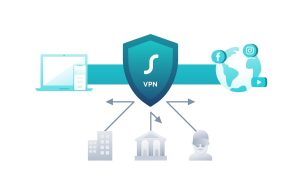
One of the most popular ways to conceal online activities effectively is using a Virtual Private Network (VPN). VPNs help users avoid government surveillance by encrypting internet traffic and masking IP addresses. This is one of the most efficient online anonymity tools available today.
- Encryption: A VPN encrypts all internet traffic between your device and the VPN server, ensuring that data remains private.
- IP Address Masking: By providing you with an alternate IP address, VPNs make it difficult for others to track your online activities.
Implementing Tor Browser
Another powerful tool to conceal online activities is the Tor Browser. It routes internet traffic through a global network of servers, making tracking exceedingly difficult. The Tor Browser is an essential part of Internet privacy strategies as it provides an extra layer of anonymity.
Employing Strong Passwords and Two-Factor Authentication
To further protect digital privacy, using strong, unique passwords and enabling two-factor authentication is crucial. This adds an extra layer of security and helps you avoid government surveillance more effectively.
Advanced Tools for Protecting Digital Privacy
Secure and Anonymous Communication
To avoid government surveillance, consider secure communication platforms. Applications like Signal and WhatsApp offer end-to-end encryption, ensuring that your conversations remain private.
- Signal: Known for its robust encryption, Signal is a top choice for those wanting to keep their communications secret.
- WhatsApp: Widely used, this app also offers encryption to secure messages.
Restricted Permissions and Privacy Settings
Limiting app permissions and configuring privacy settings on your devices are simple yet effective ways to conceal online activities. Many apps request unnecessary permissions which, if unchecked, could lead to data exposure.
Integrating Advanced Online Anonymity Tools
Using Privacy-Focused Search Engines
Switching to privacy-focused search engines is vital. Google and similar services tend to track user data for personalization and ads. Instead, DuckDuckGo and Startpage offer privacy-centered alternatives.
Browsing in Incognito Mode
Though not a foolproof method, browsing in incognito mode helps prevent the storage of your browsing history on devices, aiding efforts to conceal online activities.
Understanding the Role of End-to-End Encryption
End-to-end encryption is foundational in protecting digital privacy. Whether it’s emails or instant messaging, encryption ensures that only intended recipients can access the content of your communications.
Effective Implementation of Internet Privacy Strategies
Constantly Updating Software
Keeping your software up-to-date patch vulnerabilities that might be exploited for surveillance. Regular updates strengthen your defenses against attempts to monitor online activities.
Utilizing Secure Email Providers
Choosing email providers that prioritize privacy can help maintain discretion in online communications. ProtonMail, for instance, provides encrypted email services to help avoid government surveillance.
Conclusion: Why Conceal Online Activities
In conclusion, learning to conceal online activities is a vital skill in today’s digital environment. By leveraging a combination of Internet privacy strategies, online anonymity tools, and other methods to protect digital privacy, individuals can effectively avoid government surveillance. Employing multiple layers of protection ensures a secure, private, and free online experience, shielding personal data from unwanted scrutiny. Remember, a proactive approach to online privacy is essential for safeguarding your digital life.