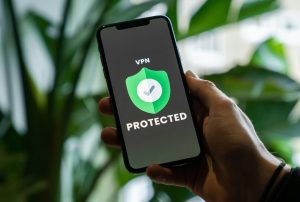
In today’s digital landscape, online security has become a paramount concern for individuals and businesses alike. With cyber threats lurking at every corner, safeguarding personal data and privacy is more crucial than ever. A Virtual Private Network (VPN) emerges as a vital tool in this battle for online security. This article delves deep into the importance of VPNs, exploring how they function, their various benefits, and why everyone should consider using one.
What is a VPN? A Fundamental Overview
A Virtual Private Network (VPN) creates a secure connection between your device and the internet. By routing your internet traffic through a remote server, a VPN masks your IP address and encrypts your data. This technology allows users to browse the web anonymously while protecting their sensitive information from potential threats.
The Mechanics of a VPN: How Does It Work?
Understanding how a VPN works can illuminate its significance in online security. Here’s a simplified breakdown:
- Encryption: A VPN encrypts your data, converting it into a format that is unreadable to unauthorized users. This process ensures that even if your data is intercepted, it remains secure.
- Tunneling: The VPN creates a secure “tunnel” for your data to travel through. This tunnel isolates your online activity from prying eyes, making it significantly safer.
- IP Masking: By masking your actual IP address, a VPN allows you to appear as if you are browsing from a different location. This feature not only enhances privacy but also helps in accessing geo-restricted content.
Unveiling the Benefits of Using a VPN
VPNs offer a multitude of benefits that extend beyond basic online privacy. Here are some key advantages:
- Enhanced Security: VPNs protect against cyber threats like hacking and phishing attacks. The encryption and anonymity afforded by a VPN significantly reduce the risk of data breaches.
- Access to Restricted Content: Many users rely on VPNs to bypass geo-restrictions and access content that may not be available in their region. This feature is particularly useful for streaming services and social media platforms.
- Public Wi-Fi Protection: Using public Wi-Fi networks can expose users to various security risks. A VPN encrypts your connection, making it safer to browse on unsecured networks.
- Improved Online Privacy: VPNs prevent ISPs and other entities from tracking your online activities. This enhanced privacy protects you from targeted advertisements and data collection.
- Reduced Bandwidth Throttling: Some ISPs throttle bandwidth for users engaged in high-bandwidth activities, such as streaming or gaming. A VPN can help avoid this throttling, providing a smoother experience.
Choosing the Right VPN: Key Features to Consider
With numerous VPN providers available, selecting the right one can be overwhelming. Here are some critical features to consider:
- Security Protocols: Look for VPNs that offer robust encryption protocols, such as OpenVPN or IKEv2. These protocols ensure that your data remains secure.
- No-Log Policy: Choose a VPN that adheres to a strict no-log policy, meaning they do not keep records of your online activities. This policy enhances your privacy and security.
- Server Locations: A VPN with multiple server locations allows you to bypass geo-restrictions and access content from different regions effectively.
- Speed and Performance: While encryption can slow down your internet speed, reputable VPNs minimize this impact. Look for user reviews and speed tests to find a reliable service.
- Customer Support: Opt for a VPN provider that offers 24/7 customer support. This availability ensures that you can get help whenever you encounter issues.
Common Misconceptions About VPNs: Debunking Myths
Despite their growing popularity, several misconceptions about VPNs persist. Here are some common myths and the truths behind them:
- Myth 1: VPNs are Only for Tech-Savvy Users
Truth: VPNs are user-friendly tools designed for anyone looking to enhance their online security, regardless of technical expertise. - Myth 2: VPNs Guarantee Complete Anonymity
Truth: While VPNs significantly enhance privacy, they do not provide absolute anonymity. Users should still practice safe browsing habits. - Myth 3: Free VPNs are Just as Good as Paid Ones
Truth: Free VPNs often compromise security and speed. Paid VPNs offer better performance, support, and security features. - Myth 4: VPNs Slow Down Internet Speed
Truth: While some slow down connections due to encryption, reputable VPNs minimize this impact, providing a smoother browsing experience.
The Future of VPNs in Online Security
As technology evolves, so too does the landscape of online security. The future of VPNs appears promising. Here are some trends to watch for:
- Increased Adoption: As awareness of online privacy grows, more individuals and businesses will adopt VPNs for secure browsing.
- Integration with Other Security Tools: VPNs may integrate with other cyber security solutions, such as antivirus software, to offer comprehensive protection.
- Development of Faster Protocols: As demand for speed increases, VPN providers will continue to develop faster, more efficient protocols that maintain security without compromising speed.
- Regulatory Changes: Governments may introduce regulations regarding VPN usage, impacting how users access content and protect their data.
Conclusion: The Necessity of VPNs for Securing Your Digital Life
In conclusion, understanding the importance of VPNs in online security is essential in today’s digital world. They provide enhanced security, privacy, and access to restricted content while protecting users from various cyber threats. By choosing the right VPN and debunking common misconceptions, individuals can significantly improve their online safety. As technology continues to evolve, VPNs will likely play an increasingly vital role in protecting personal information and promoting secure internet usage. Embrace the power of a VPN and take the first step towards a safer online experience today.